

Introduction
In today's fast-paced and interconnected world, a reliable power supply is crucial for both residential and commercial settings. However, extreme weather conditions such as hurricanes, blizzards, and heatwaves can pose significant challenges to the stability of the electrical grid. In such situations, backup power sources like diesel generators play a vital role in ensuring uninterrupted electricity supply. This article explores the importance of diesel generators in extreme weather conditions, their design features, maintenance requirements, and best practices for optimal performance.
Importance of Diesel Generators in Extreme Weather Conditions
Extreme weather events, including hurricanes, tornadoes, snowstorms, and heatwaves, can lead to power outages that disrupt daily life and business operations. During these emergencies, diesel generators serve as a reliable backup power source, providing electricity to critical infrastructure such as hospitals, data centers, telecommunications facilities, and emergency response centers. Diesel generators are capable of operating for extended periods without refueling, making them ideal for prolonged power outages caused by severe weather conditions.
Design Features of Diesel Generators for Extreme Weather Conditions
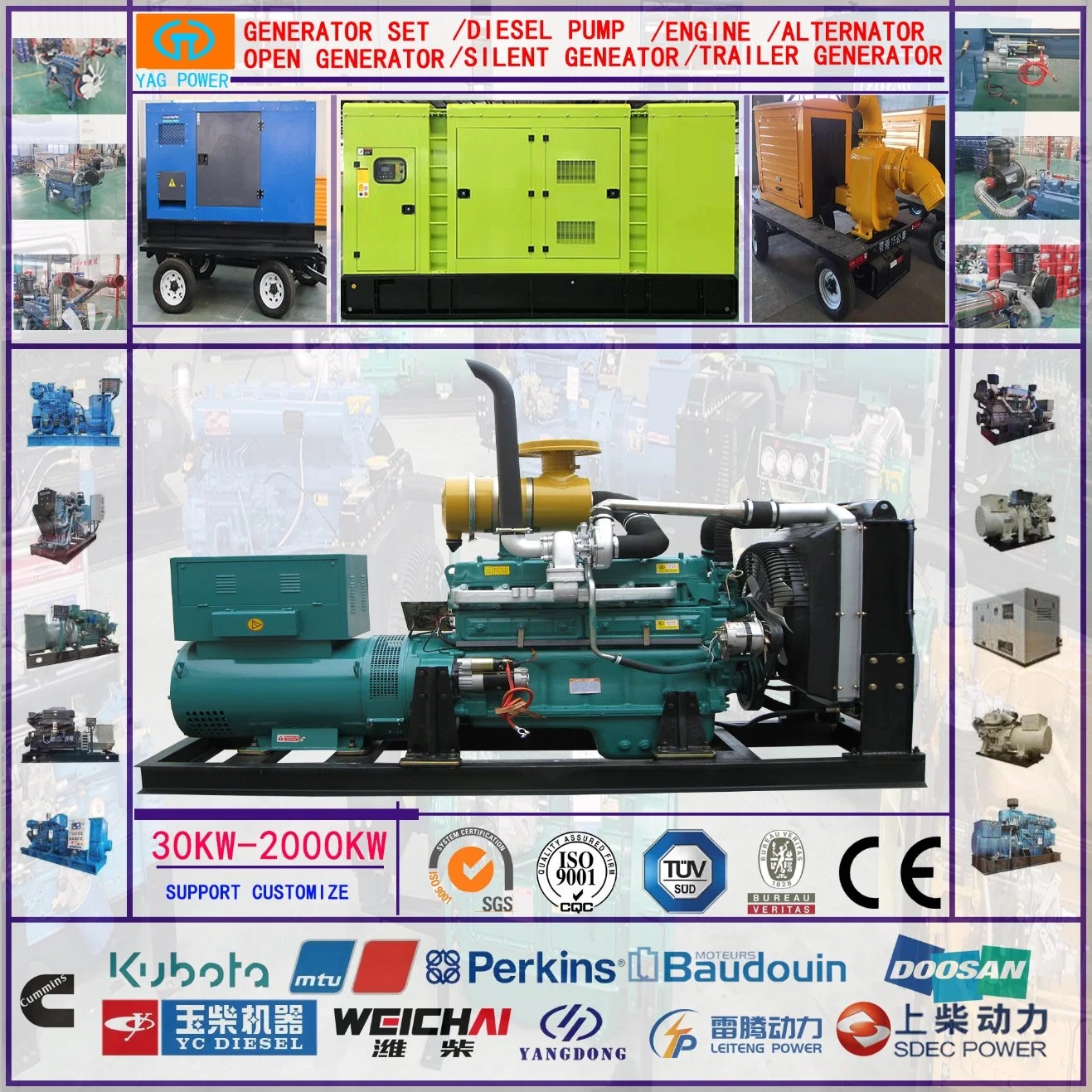
Diesel generators designed for use in extreme weather conditions are equipped with a range of features to ensure reliable performance in harsh environments. These design features include:
1. Weatherproof Enclosures: Diesel generators are often housed in weatherproof enclosures made of durable materials such as aluminum or steel. These enclosures protect the generator components from water, dust, and other environmental factors, ensuring continued operation during extreme weather events.
2. Cold Weather Starting Systems: In regions prone to cold weather conditions, diesel generators are equipped with cold weather starting systems that prevent fuel gelling and ensure reliable startup even in sub-zero temperatures. These systems may include block heaters, battery warmers, and glow plugs to facilitate engine ignition in cold climates.
3. High-Performance Cooling Systems: To prevent overheating during heatwaves or high-temperature conditions, diesel generators feature high-performance cooling systems that dissipate heat efficiently and maintain optimal engine operating temperatures. These cooling systems may include radiators, fans, and coolant circulation mechanisms to regulate engine temperature.
4. Corrosion-Resistant Components: Extreme weather conditions can accelerate the corrosion of generator components, leading to premature wear and reduced performance. Diesel generators designed for use in harsh environments are equipped with corrosion-resistant materials and coatings to protect critical parts from rust and degradation.
5. Sealed Electrical Connections: To prevent water ingress and electrical malfunctions during heavy rain or flooding, diesel generators feature sealed electrical connections that maintain a watertight seal and ensure uninterrupted power supply. These connections are designed to withstand moisture and humidity without compromising electrical safety.
Maintenance Requirements for Diesel Generators in Extreme Weather Conditions
Proper maintenance is essential to ensure the reliable operation of diesel generators in extreme weather conditions. Regular maintenance tasks include:
1. Inspection and Testing: Periodic inspections and functional tests help identify potential issues before they escalate into major problems. Inspect critical components such as fuel filters, air filters, coolant levels, and battery terminals to ensure proper functioning.
2. Fuel Quality Management: Diesel fuel quality is crucial for the efficient operation of generators. Use clean, high-quality diesel fuel that meets the manufacturer's specifications to prevent fuel contamination and engine damage. Monitor fuel storage tanks for water accumulation and sediment buildup that can clog fuel lines and filters.
3. Battery Maintenance: Proper battery maintenance is essential for ensuring reliable engine startup during power outages. Check battery terminals for corrosion, ensure proper electrolyte levels, and test battery voltage regularly to prevent unexpected failures.
4. Cooling System Checks: The cooling system plays a critical role in maintaining optimal engine temperatures during extreme weather conditions. Inspect coolant levels, check for leaks or blockages in the cooling system, and clean radiator fins to promote efficient heat dissipation.
5. Environmental Monitoring: Monitor environmental conditions such as temperature, humidity, and air quality to assess the impact on generator performance. Install sensors and alarms to alert operators of adverse conditions that may affect generator operation.
Best Practices for Optimal Performance of Diesel Generators
To maximize the performance and longevity of diesel generators in extreme weather conditions, consider the following best practices:
1. Regular Load Testing: Conduct regular load tests to verify the generator's capacity to support critical loads during power outages. Load testing helps identify potential issues with the generator's output and ensures it can meet the required power demands.
2. Emergency Preparedness Planning: Develop an emergency preparedness plan that outlines procedures for generator startup, fuel management, and maintenance during extreme weather events. Train personnel on emergency protocols and ensure they are familiar with generator operation and safety procedures.
3. Remote Monitoring and Control: Implement remote monitoring and control systems that allow operators to monitor generator status, performance metrics, and operational parameters from a centralized location. Remote access enables quick response to alarms, alerts, and system malfunctions, improving overall reliability and uptime.
4. Fuel Management Strategies: Implement fuel management strategies to ensure a continuous fuel supply for the generator during prolonged power outages. Maintain fuel storage tanks at optimal levels, establish backup fuel sources, and schedule regular fuel deliveries to prevent fuel shortages.
5. Disaster Recovery Planning: Incorporate diesel generators into disaster recovery plans to mitigate the impact of extreme weather events on critical infrastructure. Identify backup power requirements, establish communication protocols, and coordinate with local authorities to expedite response and recovery efforts.
Conclusion
Diesel generators play a critical role in ensuring reliable power supply during extreme weather conditions. By incorporating design features for harsh environments, conducting regular maintenance, and following best practices for optimal performance, diesel generators can provide uninterrupted electricity to essential facilities and critical infrastructure when the grid is compromised. As 500KW Diesel Generator For Sale and severity of extreme weather events continue to rise, the importance of diesel generators in safeguarding against power outages cannot be overstated. By investing in robust backup power solutions and proactive maintenance strategies, individuals and organizations can maintain operational continuity and resilience in the face of unpredictable weather challenges.